Showing posts with label Bitter herbs. Show all posts

Tuesday, September 25, 2012

Let's GO! Natural Ways to Relieve Constipation

Continuing on with issues regarding the GI tract, I would like to address constipation. Overall, we are quite the constipated society. Not only in the literal sense but also figuratively regarding emotions and bodily functions and the shelves at the drug store reflect our inability to let go. There are over 700 different forms of colon cleansers and although commercial laxatives get the job done but they don’t address the underlying issue causing constipation, they only remedy the symptom. Not only can they be habit forming but they can also be very damaging our intestinal flora. Here are some other ways to combat constipation.

What is Constipation and Why is it so Bad?

Constipation is the infrequent passing of stool. Sometimes the stool may be hard and difficult to pass. I feel like there is a misconception about how many bowel movements constitutes “being regular”. If you are going once a day, that’s great (especially for the American standard); however, this is still considered constipated. Technically you should be having a bowel movement after every meal – 3 times a day. When you eat a meal, this stimulates peristalsis in the colon and you should go. When you don’t go, toxins and hormones that are supposed to be excreted in your poop sit in your colon and become reabsorbed into the blood stream. This can cause a whole list of issues including endocrine problems and toxicosis.

It is important to realize that being constipated is a symptom, not an illness. It is the symptom of an improperly functioning digestive system that may be caused by other issues including those of the digestive tract, endocrine system or nervous system. Sometimes the cause is as simple as not enough dietary fiber in your diet or dehydration and other times the cause is more difficult to diagnosis and requires professional assistance in doing so. If you do not address the cause of your constipation and only treat the symptom, you will continue to suffer with chronic constipation. There are many safe ways to enhance your bowel function and herbs to assist; however, if doing all this doesn’t remedy your constipation, it is time to seek outside assistance from your herbalist or MD.

Ways to Get the Bowels Moving

First and foremost, to be regular, it is important to be regular. Eating and sleeping on a regular schedule is necessary to keeping the bowels consistent. Here is a list of other ways to keep the bowels regular:

  • Hydrate yourself: Dehydration can be the cause of constipation or if constipation is already an issue, it can make the problem worse. Be sure you are drinking at least 6-8 cups of water a day. Living in Denver, I find that the dry air and high altitude requires me to drink more than 8 cups a day to stay hydrated and regular.
  • Exercise: I feel like no matter what I am talking about, exercise always makes the list of things that can help and constipation is no different. A stagnant person is bound to have stagnant bowels, so get up and move!
  • Address Emotional Issues: Emotional issues and habits may be contributing to an inability to go potty. Having “no time to go”, being stressed (Natural Ways to Cope with Stress) or being uncomfortable with bodily functions can all be reasons you can’t go and these emotional issues need to be addressed.
  • Lemon Water: Drinking lemon water in the morning helps to stimulate the liver, increase bile production and increases peristalsis. For more information read In Love with Lemon Water.
  • Pass on the Ice: Avoid cold beverages because they constrict blood vessels in the gut.
  • Colonize your Gut with Good Bacteria: Probiotics are necessary for a proper functioning GI tract so be sure to eat plenty of yogurt, kefir, miso soup and unpasteurized sauerkraut.  
  • Avoid Constipating Foods: Things like milk, cheese, ice cream, white flour products, gluten, meat, black berries, processed and refined foods and alcohol can all stop you up and increase incidences of constipation.
  • Whole Foods: Increase your consumption of fruits, veggies and whole grains.
  • Massage your belly: Rubbing your belly in a clockwise direction helps to stimulate movement of food and can help to bring on a bowel movement. Adding chamomile, lavender and rose essential oils all magnify the benefits of abdominal massage.
  • A Stool Can Help Move Stool: Putting a stool under feet and lifting your knees closer to your chest while sitting on the toilet, helps to put you in more of a natural position for pooping. I find that if I am having trouble going, squatting on the floor for a few minutes before heading to the bathroom really helps to get me ready to go.
  • Go When you Gotta Go: When you feel the urge to go coming on, it is important to go. I know that it is more comfortable and often more sanitary to go in the privacy of your own home, but it is very important to relieve yourself when the urge is there.
  • Address Any Possible Food Allergies
Dietary Fiber

The lack of dietary fiber in the modern American diet is one of the main causes of constipation. Dietary fiber, located in different foods, contains constituents that do not break down in the digestive tract. This acts as a laxative by providing bulk that pushes food through the GI tract, binding to water in the colon and softening the poop and supporting the growth of good bacteria in the gut resulting in healthy stool. Foods that are high in fiber include apples, bananas, beets, cabbage, carrots, figs, grapes, parsley, pears, peaches, sunflower seeds, sesame seeds, spinach and sweet potatoes.

Herbs to Help you Go

Bulk Laxatives are safe and fiber rich herbs that help to speed the transit time of food through the GI tract. Because they are helping to enhance the digestive system and not compensate for poor functioning, bulk laxatives are safe to take for extended periods of time. Psyllium and flax seeds can be ground up and added to your cereal or salads. One thing I do want to add is that bulk laxatives require water to bulk up so be sure you are drinking plenty of water.

Bitter Herbs are another thing that I feel is helpful for just about everything J They help with constipation by stimulating the liver and increasing bile production. Bile helps to make stool soft and stimulates peristalsis. For more information read Feel Better with Bitters


One recipe that is great for constipation is:
  • 2 parts yellow dock root (Rumex crispus)
  • 2 parts dandelion root (Taraxacum officinale)
  • 1 parts licorice root (Glycyrrhiza glabra)
  • 1 part anise seed (Pimpinella anisum)
I suggest making this into a decoction and drinking 3 cups daily. It is a great formula for chronic constipation because it doesn’t create dependency. The yellow dock and dandelion help to encourage bowel movements, stimulate the liver and nourish the blood.

Stimulant laxatives work by damaging and irritating the lining of the GI tract causing an excessive laxative effect. Herbs like Senna, Cascara sagrada, rhubarb and aloe all belong in this category. These herbs may be acceptable for a short use but definitely should not be used for long periods of time because they can cause dependency and pain and griping during bowel movements. Stimulant laxatives are compensating for an improperly functioning system and I prefer to avoid them all together if possible.

Kids and Constipation

Constipation can be an issue in children as well as adults and it is important to address the issue quickly rather than letting it develop into a greater problem. Stress, a lack of sleep, environmental changes, travel, illness and an imbalanced diet can all contribute to a child’s regularity or irregularity. All of the “Ways to Get the Bowels Moving” listed above can be applied to children but here is some added tips:

  • Nursing Mothers: If you are breast feeding and your child is constipated, you should avoid the constipating foods that are listed above.
  • Switch to Goat’s Milk: If you are bottle feeding your child with cow’s milk or cow’s milk formula, switch to goats milk.
  • Make Time for the Potty: Setting specific times aside for your child to go to the bathroom is important to keeping your child regular.
  • “More Bulk Please”: Herbs that provide bulk can be powdered and added to other food. Such herbs include carob powder, slippery elm, flax seed, licorice root, Irish moss and psyllium seed can all be used. 1-4 tsp can be used 3 times a day. For children under 10 a smaller dose should be taken.
  • Romm’s Recommendation: Aviva Romm suggests making the following infusion for children when they are constipated
    • 2 tsp slippery elm powder
    • 1 tsp fennel seeds
    • 1 tsp licorice root
    • ¼ tsp powdered ginger root
    • 1 pint of boiling water
    • Combine all herbs in a jar and cover with boiling water. Steep for 20 minutes and then strain the tea. Dosing is as follows:
      • 2 tsp for kids under 2 years old
      • 1-4 tsp for kids 2-7 years old
      • ¼ to ½ cup for kids over 7 years old
      • Repeat dosing 2-4 times until the child has a bowel movement.

I hope this can help you to be more regular, but if you are trying home remedies and your symptoms persist for more than 3 weeks it is time to see the doctor. Also if you have blood in your stool, if your poop is black or if it looks like coffee grounds it is important to seek medical attention immediately. Well it’s time to go…


Sources:

Gladstar, R. (2001). Rosemary Gladstar's family herbal: a guide to living life with
energy, health, and vitality. North Adams, Mass.: Storey Books.

Hoffmann, D. (2003). Medical herbalism: the science and practice of herbal medicine.
Rochester, Vt.: Healing Arts Press.

Mars, B., & Fiedler, C. (2011). The country almanac of home remedies: time-tested &
almost-forgotten wisdom for treating hundreds of common ailments, aches & pains
quickly and naturally. Beverly, Mass.: Fair Winds Press.

Romm, A. J. (2003). Naturally healthy babies and children: a commonsense guide to herbal remedies, nutrition, and health. Berkeley, Calif.: Celestial Arts.

Monday, September 24, 2012

Natural Relief from GERD and Heartburn

Stomach issues are a huge problem among today’s American culture. So many people suffer from GERD, irritable bowel syndrome and constipation and so many of these gut problems can be attributed to a poor diet, the overuse of antibiotics and food allergies. With little relief, many people have learned to live with the stomach discomfort, saying “that’s just the way my body is.” But The Verbal Herbal is here to shine a light on gastroesophageal reflux and heartburn.
What is GERD?
Normally, the lower esophageal sphincter valve opens to allow food to pass from the esophagus into the stomach and closes to prevent stomach juices from flowing from the stomach up into the esophagus. When this valve is weak or not functioning properly, those juices from the stomach bubble up into the esophagus causing a burning sensation that starts behind the breast bone and radiates up into the throat. The Merck Manual describes gastroesophageal reflux, better known as GERD, as “reflux of the gastric contents into the esophagus leading to localized infection.” The heartburn and indigestion that results from GERD can sometimes be so bad and uncomfortable that some people mistakenly think they are having a heart attack.
What Causes GERD?
Although it may seem like an abundance of stomach acid is what causes GERD, it is actually just to opposite. GERD is often the result of not enough digestive juices and a decreased amount of stomach acid. 90% of people who experience heartburn don’t have enough stomach acid.
Antacids
Even though GERD is most commonly caused by not enough stomach acid, most people think that antacids help to relieve the problem. Although antacids do help to neturalize the acid in the esophagus, they also worsen the problem by decreasing the amount of acid in the stomach as well.  Antacids also interfere with digestion and absorption and have many other unappealing side effects and long term use can be dangerous.
Natural Ways to Relieve GERD
So often we turn to pharmaceuticals that alter the chemical balance of our bodies. The body is a well-oiled machine and if we change the way something is supposed to operate we affect the entire body. For wellness purposes it is better to find natural alternatives that encourage proper functioning of the system. Listed below are some things you can do to help prevent and relieve the occurrence of GERD.
  • Apple Cider Vinegar: Take a shot of apple cider vinegar before meals for prevention or 1 Tbs of apple cider vinegar in a cup of warm water for relief.
  • Avoid Certain Foods and Drinks: Certain foods can be irritating and cause cases of GERD. Avoid foods such as coffee, alcohol, chocolate, and fried or fatty foods. You may also wish to avoid citrus fruits and juices, tomato products, peppers and spicy foods because they may further damage the esophageal lining. It is also very important to determine if you have any food allergies or sensitivities by doing an elimination diet. I experienced heartburn after every meal before I realized I had a gluten sensitivity. Since I stopped eating wheat and gluten products, I don't remember the last time I had heartburn. Also, gulping cold drinks my further aggravate the condition.
  • Small meals: Eat smaller meals and do not eat less than 2 hours before bed to allow time for your food to exit the stomach and move into the intestines.
  • Sit up: Do not lie down. If it is bed time, try and sleep in more of a seated position. If you must lie down, lay on your left side. Laying on your right side can make the condition worse.
  • Pass on the beverages during meal time: Don’t drink water 30 minutes before a meal and wait to drink until 30 minutes after. Drinking excessive amounts during a meal can diluting down your stomach acid, interfere with proper digestion and can overfilling the stomach.
  • Papaya Enzymes: For on the spot relief, I swear by papaya enzymes. Papaya contains papain which helps to digest proteins. I have turned on so many people to this remedy because it works so well.
  • Colonize your Gut: For a healthy gut, make sure you are getting adequate amounts of probiotics.
  • Massage your Belly Clockwise: to help move your food down into the stomach and intestines, massage your stomach in a clockwise direction. Adding essential oils like chamomile, ginger and peppermint can add to the relief.
  • Stress-Free Eating Habits: Stress causes so many issues and GERD is one of them. To help soothe your nerves and your gut, create a stress free eating environment. Turn off the TV, focus on your meal and chew slowly. For other ways to decrease stress go to Natural Ways to Cope with Stress.
  • Chew on This: Chewing cardamom or fennel seeds after meals is a tasty way to promote healthy digestion.
  • BITTERS: I always rant and rave about how I think everyone should use bitters and this time is no different. Here is the link to a previous blog post: Feel Better with Bitters.
Herbs to Combat GERD
There are many herbal actions that are helpful in addressing GERD.
  • Demulcent and mucilaginous herbs: help to coat and soothe the irritated tissue of the esophagus and provide a barrier from the stomach acid doing more damage. Herbs such as licorice and marshmallow and Slippery Elm can be useful.
  • Digestive nervines: help to soothe issues of digestion while addressing the stress associated with reoccurring conditions. Some helpful digestive nerviness include: chamomile, hops and lemon balm.
  • Vulnerary: these herbs help to heal the irritated tissue of the esophagus. Calendula is a wonderful vulnerary that can be used for GERD.
  • Anti-inflammatory: help decrease inflammation and irritation with calendula, chamomile, licorice, slippery elm and ginger.
  • Carminatives: help with overall digestion issues by soothing the gut wall. Herbs that may be helpful include: cardamom, fennel, chamomile, hops and ginger.
  • Hoffmann suggests a formula of:
    • 2 parts Marshmallow root (Althaea officinalis)
    • 1 part Calendula (Calendula officinalis)
    • 1 part Chamomile (Matricaria recutita)
With so many people needing relief from heartburn, I hope todays post can be helpful for you or for someone you love.

Sources:

Gladstar, R. (2001). Rosemary Gladstar's family herbal: a guide to living life with energy, health, and vitality. North Adams, Mass.: Storey Books.

Hoffmann, D. (2003). Medical herbalism: the science and practice of herbal medicine. Rochester, Vt.: Healing Arts Press.

Mars, B., & Fiedler, C. (2011). The country almanac of home remedies: time-tested & almost-forgotten wisdom for treating hundreds of common ailments, aches & pains quickly and naturally. Beverly, Mass.: Fair Winds Press.
 

Monday, July 23, 2012

Beautiful and Radiant Skin

Everyone likes to look their best and in todays culture that means looking young. The first sign of getting older tends to show up on our skin as wrinkles and sun spots. So today, I'd like to talk about the integumentary system and natural ways to keep our skin looking healthy and vibrant.

The IntegStructure of the Skin
The integumentary system consists of 3 main layers:

· The epidermis: the outermost portion of epithelial cells. This layer of skin has no blood vessels.
· The dermis: the connective tissue, and the accessory structures of the skin, such as blood vessels, nerve endings and sweat glands, hair and oil glands.
· The hypodermis: the innermost layer of the integumentary system. This subcutaneous layer consists of loose connective tissue and fat.
Because there are no blood vessels in the epidermis, skin epithelial cells reproduce in the layer closest to the dermis where they are well nourished by the blood supply of this deeper layer. As the cells reproduce, older cells are pushed farther away from the dermis and closer to the top layer of what we see as "skin". This journey to the top causes the cells to become malnourished and as they die they undergo a change. The cytoplasm inside the cell is replaced by keratin, causing the cell to become hard and flat. Once the cell reaches the surface of the skin it doesn't stay there for long before it is shed and replaced from below.

Functions of the Skin
There are many functions of the skin.

· The skin acts as a barrier. Keeping the good stuff in and the bad stuff out. The shedding of skin is also a means to mechanically remove pathogens from the surface of the body.
· The skin helps us to regulate body temperature. The skin is a large surface area that can release heat when the body is overheating. Blood vessels dilate bringing more blood to the surface of the body and allowing the heat to disperse. Sweat glands also release perspiration, cooling the surface of the body. When the body becomes cold, subcutaneous tissue acts as insulation and blood vessels in the dermis warm the skin.
· Receive and relay information about the environment via nerve endings in the skin to the brain. This includes information about pain, heat, cold, pressure, etc.  
· Assists in both elimination and respiration (the skin is known as the third lung).
· Form Vitamin D
Healthy Body, Healthy Skin
Now that we know a little bit about the structure and function of integumentary system, let’s talk about a few ways to keep your skin healthy.

First and foremost, it is important to remember that whatever you put on your skin, it is being absorbed into your blood stream. When it comes to skin products, if you don't know what an ingredient is or what it does then you should not smear it on your face and body. I also like to do the pronunciation test: if you can't pronounce the ingredient, it probably isn't good for you. Avoid products with preservatives, coloring agents, synthetic scents and synthetic chemicals.

Make sure you are properly cleaning the skin. Dirt and makeup can clog the pores leading to imbalances in the skin. Exfoliation, the shedding of skin cells, is a process that happens naturally, however for added assistance and pleasure, try dry skin brushing. This is the link to a previous blog post about dry brushing http://theverbalherbal.blogspot.com/2012/07/health-benefits-of-dry-brushing.html 

Nutrition
Proper nutrition is, perhaps, one of the most important contributions to healthy skin. The outside of the body reflects what is happening on the inside of the body and if the inside is not properly nourished then the outside of the body will show this. A low glycemic diet seems to be the most beneficial at providing a large array of vitamins and minerals while limiting foods that cause inflammation including: refined and processed foods, sugar, coffee, soda and white flour products. Make sure you are getting adequate amounts of high quality proteins including fresh fish, shellfish and organic, grass fed meats. A colorful array of organic fruits and veggies should be eaten every day, including lots of leafy green veggies (kale, chard, collard greens...). Healthy fats are a must have in every diet. For too long, fats have been demonized in American diets. Low fat diets show a lack of knowledge about the body and have lead to many problems including gall bladder stones and heart disease. Healthy fats can be obtained from fish, nuts, seeds, healthy oils and flax seeds. Other healthy supplements include probiotics and B vitamins.

Are You Pooping Enough?
Make sure your other elimination pathways (i.e. bowels, urinary tract and respiratory system) are working properly. When there is dysfunction in these systems, the skin, as another way to eliminate toxins, becomes overloaded. This can result in skin rashes, spots, pallor and puffiness. Bitter herbs are my favorite way to keep myself regular. For more information, check out: http://theverbalherbal.blogspot.com/2012/05/daily-herb-o-scope-feel-better-with.html

Other Tips
Lastly, make sure you are getting adequate sleep and drinking enough water. 8-10 glasses of water are recommended; however, you may need to drink more to depending on your level of activity. Adequate sleep is also necessary for healthy skin, not only because we tend to look like crap when we don't get enough sleep, but also because human growth hormone (HGH) is released during the deepest form of slow wave sleep and is responsible for growth and cell reproduction, an important part of healthy skin.  

Overall, I don't feel that beauty is only skin deep, but I do know that if I am healthy on the inside, my beauty will show through to the outside producing beautiful and radiant skin.
Sources:
Battaglia, S. (2003). The complete guide to aromatherapy (2nd ed.). Brisbane:
International Centre of Holistic Aromatherapy.

Cohen, B. J., Taylor, J. J., & Memmler, R. L. (2009). Memmler's structure and function of the human body (9th ed.). Baltimore, MD: Wolters Kluwer Health/Lippincott William & Wilkins.

Gladstar, R. (2001). Rosemary Gladstar's family herbal: a guide to living life with
energy, health, and vitality. North Adams, Mass.: Storey Books.

Wildwood, C. (1996). The encyclopedia of aromatherapy. Rochester, Vt.: Healing Arts

Monday, May 28, 2012

Daily Herb-o-Scope - Coffee!!!

      Coffee (Coffea arabica) is a beverage of mixed emotions. On the one hand Americans know that they overindulge when it comes to coffee drinks and this is no thanks to addiction pushing chains. On the other hand it is so satisfying to slowly sip on that warm morning pick-me-upper. Regardless of your stance on coffee drinking, the health benefits of coffee are overlooked. The typical American diet doesn't offer a whole lot of antioxidant or bitter foods and coffee offers both. The bitter flavor was discussed in the Daily Herb-o-Scope on Thursday May 24, 2012. So I'm not going to say much about it other than it helps to improve the flow of gastric juices and can reduce the risk of gall stones and colon cancer.

      Antioxidants help to protect the body from free radicals. Antioxidants and free radicals are buzz words in the health food industry right now, so I want to make sure everyone knows what they mean. A free radical is an atom or molecule that carries an unpaired electron in its outer ring. Because electrons work best in pairs, the free radicals steal electrons from cells in the body, causing damage by turning our own cell into free radicals. This process known as oxidation can lead to a chain event of destruction with molecules and cells trying to hijack electrons from other cells.

      Antioxidants help to remedy this by giving an electron to the free radical, making it stable. Even though the antioxidant now has a unpaired electron it does not become a free radical because it is stable with or without unpaired electrons. Some research suggests that a cup of coffee may offer more antioxidants than a serving of blueberries or raspberries. And coffee antioxidants can help to prevent degenerative diseases of the heart and nervous system and even protect against certain kinds of cancer. Dark roasting the beans produces even more antioxidants; however, adding milk to coffee has been shown to bind the antioxidants, making them less effective.

      A few other tips to keeping your cup of coffee as healthy as possible are to store your beans in the freezer and to grind them fresh. Coffee contains oils that can go bad. When the oils are rancid they make the coffee very bitter and can wreak havoc on your liver. Also opt for real sugar and organic cream. Decaf usually contains traces of the solvent used to extract the caffeine and still contains traces of caffeine. My advice is to stick with herbs in their natural form. Caffeine and all.

      Now don't go out and drink 5 cups of coffee. Too much can cause nausea, heart palpitations and irregular heartbeats, anxiety, restlessness, muscle tension and insomnia. It may also worsen ulcers and heart burn especially if you drink decaf. Long term excessive use can lead to adrenal fatigue and burnout. Anything in excess is discouraged, stick with moderation. So just as long as you aren't overdoing it enjoy your cup of coffee and the health benefits that go along with it.

Thursday, May 24, 2012

Daily Herb-o-Scope - Feel Better with Bitters


      In my opinion the number one thing that you can do herbally to increase your health and vitality is to take a blend of bitter herbs before every meal. The bitter taste is the most lacking flavor in the typical American diet and as a result our digestion is suffering. The bitter taste elicits a very important response in the digestive tract: it stimulates the release of gastrin causing an increase in digestive juices. With this, all areas of digestion are improved including the breakdown, absorption and excretion of food. It also helps to eliminate heartburn and indigestion, bloating, gas and borborygmus (I love using this word! Its a fancy way of saying gurgling in the intestines). But the benefits go beyond the digestive tract into other areas of health. Because of the bitters effect on the liver, they help to detoxify the body and regulate hormones which extends into all body systems including mood enhancement and reproductive issues. Also with better absorption of nutrients, the increased nutrition helps to strengthen the entire body. 


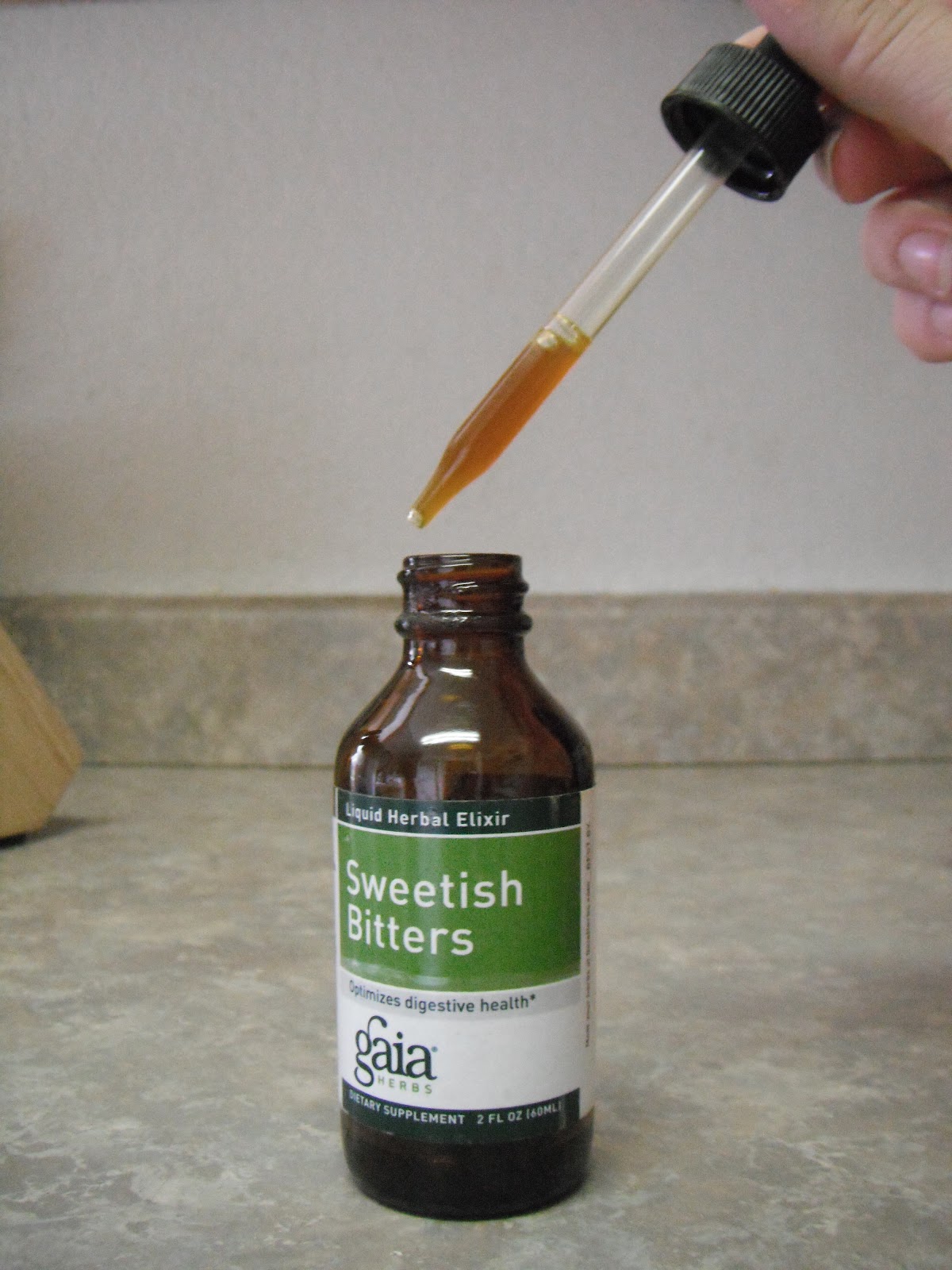
      Less is more when it comes to the use of bitters. Only 1 ml of tincture should be taken 15 minutes before each meal. You can purchase a  bitters tincture at most health food stores or you can make your own tincture blend by including herbs such as artichoke leaf, milk thistle, dandelion root, turmeric, angelica, ginger and gentian to name a few. I will warn you that the taste is not very enjoyable but the health benefits far outweigh the nasty taste you have to experience. So get some bitters so you can feel better.