Showing posts with label Daily Herb-o-scope. Show all posts

Thursday, June 21, 2012

Daily Herb-o-Scope - It's Time for Thyme

Thyme (Thymus vulgaris) is another great culinary star in the realm of medicinal herbs. Derived from the Greek word "thumus" meaning "courage," its flavor is pungent and mildly bitter and it is warm and dry. Like some of the other herbs I have discussed this week,  thyme helps to warm and dry issues of the respiratory, digestive and reproductive systems; however, unlike other common garden herbs, thyme also has a restorative quality to it that helps to tonify qi and relieve fatigue. But lets first talk about its warming and drying effect.


Thyme is very effective when dealing with issues of the respiratory system. It can resolve lung phlegm cold which consists of a full productive cough with thin white sputum . Many of thyme's constituents help with issues of respiration including being a bronchodilator, an antitussive, an expectorant and an anti-infective. These actions make thyme particularly helpful with treating conditions of whooping cough, asthma and sinus issues. It is also great at relieving wind cold aka colds and flus causing sore muscles and aches, sneezing, fatigue, chills and a sore throat. For these respiratory issues, thyme makes a great and tasty addition to any cough syrup.

In regards to the digestive system, thyme helps to warm conditions of Spleen damp-cold and its bitter quality helps to decongest the liver, releasing bile and breaking down fatty foods. This symptology includes indigestion, nausea, gas, stomach pain, a loss of appetite and diarrhea. The oils from thyme are also wonderful at killing off stomach bugs, including food borne pathogens, intestinal parasites and helping with intestinal dysbiosis.

Cold in the reproductive system can cause delayed, slow or stopped periods with cramps, sexual disinterest and impotence. Thyme helps to stimulate this area and help move things along. It also helps to dry damp in this are that might present as white vaginal discharge and scanty periods.

But perhaps the most valuable quality that thyme has to offer is its ability to build energy and Qi, relieving fatigue. It also helps to build immunity. Holmes describes thyme's ability to alleviate fatigue especially valuable when there is an underlying issue of nervous weakness and long standing infection.

Thyme makes a very tasty mouth gargle for a sore throat, tooth decay, tonsillitis and mouth sores and thyme infused baths are very helpful in cases of arthritis and sore muscles especially when the aches and pains are the result of colds and flus.

Because it is a uterine stimulant, avoid therapeutic doses during pregnancy. For an infusion, soak 1 tablespoon of fresh herb or 1 teaspoon of dried herb in 1 cup of hot water for 10 minutes. Enjoy one cup of tea, three times a day. Holmes suggests a tincture of 2-4ml (1:3 in 50% alcohol).

Overall, thyme is another wonderful garden herb, helping to warm cold issues and dry damp. But it is perhaps one of the most under appreciated Qi tonics. So readily available in gardens, supermarkets and pantries everywhere, don't waste your time by not taking advantage of thyme.

Sources
Duke, J. A. (2000). The green pharmacy herbal handbook: your comprehensive reference to the best herbs for healing. Emmaus, PA: Rodale Reach.

Hoffman, D. (2003). Medical herbalism: the science and practice of herbal medicine. Rochester, VT: Healing Arts Press.

Holmes, P. (2007) The energetics of western herbs: a materia medica integrating Western and Chinese herbal therapeutics (Rev. & enl. 4th ed.). Cotati, CA: Snow Lotus Press.

Levy, J. d. ( 1997). Common herbs for natural health (Rev, expanded ed.) Woodstock, NY: Ash Tree Pub.

Mars, B. (2007). The desktop guide for natural medicine. Laguna Beach, CA: Basic Health Publications. 

http://www.ncbi.nlm.nih.gov/pubmed/21462837

Tuesday, June 19, 2012

Daily Herb-o-Scope: The Rosemary Rundown

The next herb I would like to speak about in our garden edition of posts is Rosemary. Rosemary (Rosmarinus officinalis) is pungent and bitter and has a warm and dry quality to it. It is very popular cooking herb and for just cause.

Rosemary has a wonderful flavor, and it helps to aid in the digestion of fats and starches and helps to preserve food by inhibiting food borne microbs. Its warming effect on the gut can help with indigestion with abdominal pain and bloating and loose mucousy stools. A western diagnosis would include chronic gastroenteritis, colitis and stomach upset that has a physiological basis.


Rosemary's warm and dry qualities also helpful to the respiratory and the reproductive systems. In the lungs, it dispels wind-damp-cold, helping to relieve symptoms of a full cough with white frothy sputum. In the reproductive system rosemary acts as a stimulant for scanty, delayed or stopped periods with low sexual energy. Other Chinese syndromes that rosemary might be helpful for include Heart and Kidney Yang deficiency presenting circulation issues, low blood pressure fatigue and cold limbs; and Heart Blood deficiency and Spleen Qi deficiency.

The rosemary plant is a symbol of remembrance. Ancient Greeks used to wear rosemary to keep their memory sharp during exams. By improving peripheral circulation as well as circulation to the brain, rosemary helps to improve memory. Many constituents of rosemary have been linked to inhibiting the break down of acetylcholine in the brain. A deficiency of acetylcholine has been linked to Alzheimer's disease, making rosemary a great herb to help with memory issues, in the short and long term. Rosemary paired with ginkgo would be a great combination to help individuals with memory issues.


Rosemary is also a great herb to combat thinning hair and premature balding. A tea can be used as a hair wash to strengthen and brighten hair, or make an infused oil and rub it directly on the scalp to help stimulate hair follicle growth and increase circulation to the area.


Other functions of rosemary include being an anti-inflammatory, antiseptic, spasmolytic and a stimulant to the immune system and nervous system. Several of these functions make rosemary a great herb, both for internal and external use, for muscle pain, arthritis, sciatica and neuralgia.

Some non-medicinal uses of rosemary include placing sprigs in books to help deter moths and to burn the herb to help purify a room. Rosemary is one of Juliette de Bairacli Levy favorite herbs and she described how Gypsies would hang sprigs of rosemary in their vans for protection against evil and children would put it under their pillows to protect against nightmares.


Avoid therapeutic doses during pregnancy but it is ok to use it in food as a seasoning. The volatile oil, camphor, may cause convulsions so do not take therapeutic doses if you have epilepsy or have experience seizures. Extremely large doses of rosemary may be fatal. Enjoy a cup of rosemary tea by covering 1 tsp of rosemary in 1 cup of hot water once a day. If you are taking a tincture, Hoffman suggests 1-2 ml 3 times a day (1:5 in 40% alcohol). The German Commission E recommends a total of 4-6 grams per day.


Overall, rosemary is wonderful herb to use in the kitchen as well as in the medicine cabinet. It has many uses and is an ideal herb to assist in the treatment of elderly individuals because of its effect on circulation, memory and its ability to help with digestion.


Sources

Duke, J. A. (2000). The green pharmacy herbal handbook: your comprehensive reference to the best herbs for healing. Emmaus, PA: Rodale Reach.

Hoffman, D. (2003). Medical herbalism: the science and practice of herbal medicine. Rochester, VT: Healing Arts Press.

Holmes, P. (2007) The energetics of western herbs: a materia medica integrating Western and Chinese herbal therapeutics (Rev. &enl. 4th ed.). Cotati, CA: Snow Lotus Perss.

Levy, J. d. ( 1997). Common herbs for natural health (Rev, expanded ed.) Woodstock, NY: Ash Tree Pub.

Mars, B. (2007). The desktop guide for natural medicine. Laguna Beach, CA: Basic Health Publications. 


Monday, June 18, 2012

Daily Herb-o-Scope: Beloved Basil

This week, I want to do a mini-series of posts about herbs that you would find in your garden this summer or in your kitchen cabinet. Herbal medicine can be so accessible and I just want to bring so awareness to the fact that you can help yourself in times of need, sometimes with things that are already present in your home. Today we will talk about basil.


Basil (Ocimum basilicum) is such a lovely culinary herb with a detailed history of use. It is considered an herb of protection, attracting luck and good fortune. This thought of protection extended to the afterlife, as the Egyptians used basil as an embalming herb and in ancient India, basil water was used to wash the dead. Known as a "royal herb" basil was a requirement in the diets of royalty, helping to bring about good fortune. The Jewish people use a basil spray to give them strength during their times of fasting. Presently, basil is a very popular herb in the culinary arts and for good reasons. Not only is it very tasty but basil's essential oil helps to prevent the spread of food borne bacteria. Basil has also been used medicinally as well.

The leaf of basil is pungent, bitter and aromatic and it is warm and dry. The reason I find the energetics of the herb (ie taste, temperature and moisture) to be so important, is so we can match the qualities of the illness to the qualities of the herb. For example, basil is warm and dry making it helpful for cold, damp conditions, especially of the respiratory system, the digestive system and the reproductive system.

In the respiratory system, cold and damp manifestations are ones that we often see in the winter as colds and flus (so don't get rid of all your basil at the end of the summer). Cold in the respiratory system is seen as a cough with thin white sputum or nasal congestion with white discharge. Basil helps to warm up the lungs and expectorate (to cough up) any lingering gunk in the chest. A steam bath of fresh basil leaves can be a big relief to these respiratory issues.

In the digestive system, cold causes dull pain and slow digestion. Basil can promote digestion and help combat pain and indigestion. It also helps to quell spasms in the gut including hiccoughs and can relieve nausea and vomiting.

Cold in the reproductive system results in slow, late periods with dull, aching cramps. Basil is a good choice for this sort of symptom picture. Basil tea, when served to a woman that has just given birth, can be helpful to expel the placenta.


Externally, basil leaves can be crushed directly on to the skin to help get rid of warts and ringworm and to repel against bugs, snakes, scorpions and poisonous spiders. In the garden, the whole plant repels insects from its neighboring plants and when put in a pot on the dinner table, the basil helps to keep the flies away. It also makes a tasty gargle for fight against plaque and tooth decay and when added to the bath, basil leaves provide an amazing aroma and an energizing effect.  


Basil is generally regarded as safe although I would avoid therapeutic doses during pregnancy (use in food is ok). Tierra suggests making a therapeutic infusion using 3-9 grams of herb and a tincture of 2-4ml @ 1:3 in 45% alcohol is what Holmes recommends.

Overall, basil is a wonderful herb with a long standing history. Presently, it is used more in the kitchen than for medicinal purposes; however, hopefully with more awareness will come more use. So before you give away or get rid of all your basil at the end of the summer, you may want to save some and dry it for any issues you may encounter down the road.  

Sources:

Duke, J. A. (2000). The green pharmacy herbal handbook: your comprehensive reference to the best herbs for healing. Emmaus, PA: Rodale Reach.

Holmes, P. (2007) The energetics of western herbs: a materia medica integrating Western and Chinese herbal therapeutics (Rev. &enl. 4th ed.). Cotati, CA: Snow Lotus Perss.

Levy, J. d. ( 1997). Common herbs for natural health (Rev, expanded ed.) Woodstock, NY: Ash Tree Pub.

Mars, B. (2007). The desktop guide for natural medicine. Laguna Beach, CA: Basic Health Publications. 

 Tierra, M. (1988). Planetary herbology: an integration of Western herbs into the traditional Chinese and Ayurvedic systems. Twin Lakes, WI: Lotus Press.
http://www.ncbi.nlm.nih.gov/pubmed/21462837

Monday, June 11, 2012

Daily Herb-o-Scope - Watermelon

          Summertime festivities just wouldn’t be complete without watermelon. You know you picked a good fruit when you bite into a slice and the juice runs down chin and neck. Ummm! But watermelon (Citrullus lanatus) has benefits that extend beyond a tasty fruit.

          In Chinese medicine, watermelon, known a Xi Gua, is often referred to as a natural White Tiger Decoction, an herbal formula that treats heat stroke and summer heat. This tasty summer delight contains 92% water, more than any other fruit which helps to cool the body, relieve thirst and generate fluids. It’s high in vitamins and minerals and is a great source of antioxidants and other anti-cancer compounds. The fruit also helps to detoxify the body by increasing the frequency of urination and therefore helping the body to release toxins. Watermelon juice makes a great topical treatment for sunburns. It helps to cool the skin and promotes healing. 
          I always buy organic, but it’s nice to know that watermelons are one of the 15 cleanest fruits and veggies that are least likely to contain pesticides. So if you don’t want to pay extra for organic it’s ok. Just make sure to wipe down your fruit with a wet rag before indulging. 
          To get the maximum benefits from watermelon you should eat the pink part as well as the white part in between the pink fruit and green rind. A great way to enjoy both the white and the pink part of the fruit is to cut the green rind from the fruit and in a blender mix the remaining fruit. It makes a very tasty and refreshing drink. You can also freeze this juice in ice cube trays. They make a great addition to your water or cocktails on a warm summer day.
References
http://www.whfoods.com/genpage.php?tname=foodspice&dbid=31#nutritionalprofile

Friday, June 8, 2012

Daily Herb-o-Scope - Find the Fire and Inspire

          It is an indescribable feeling when you do something that truly satisfies you soul. It's not always easy to find the inspiration to make a difference even if it's in your own life. Today, try to step outside of your comfortable box and do something different, something inspiring.

          I'll admit that I have wanted to start writing a blog for over a year. I kept making excuses as to why I couldn't start and when it came down to it, I was flat out scared. Scared to say something stupid, scared to offend someone and just scared of exposing myself to the world. Then I had a moment of clarity: I can only be me. I realized that I can only speak my truth, how other people interprite it is up to them. I feel so fulfilled since I became inspired and started speaking my truth. People in 5 different countries have already read what I have to say and the feeling is so empowering. In the end I think we all just want to to find our voice and we all just want to be heard.

          So my advice is to do something that you feel is worth while. Volunteer, take a class, do that thing that you have always wanted to do but always made excuses as to why you shouldn't. Life is limitless and when you love who you are and you love what you do, what else matters?

Thursday, June 7, 2012

Daily Herb-o-Scope - Get your eyes right with Eyebright

Eyebright (Euphrasia spp.) is a good example of the law of similar. This is the idea that like is cured by like, so if a plant looks like a particular part of the body then it is likely to help that part of the body. Eyebright flowers resemble blood shot eyes and as its name describes, eyebright helps to promote healthy eyes and treats inflamed and unhealthy eyes. The areal parts of the plant are used medicinally (leaves and flowers) having antibacterial, antiseptic, anti-inflammatory and astringent properties.  Eyebright has a bitter taste and is cool and dry.  
In 1903 John William Fyfe describe eyebright as being helpful in cases of “profuse secretions of mucus from the eyes and nose especially when there heat and pain in the frontal region.” In 1922 Harvey Wickes Feltner expanded on this saying” it is equally effective when acute catarrhs” (inflammation of the mucous membranes with discharge) “extend to the ears through the Eustachian passage and are attended by earache, headache, sneezing and coughing.”  I like to quote these early texts because they give a very detailed picture of the symptomology that specific plants address.
 Overall, Eyebright is great for issues of the upper respiratory system by helping to resolve mucus damp and stop discharge. It can be used for prevention and relief in the early stages of sinus infections, colds, congestion, hoarseness, pinkeye, sore throat, styes, conjunctivitis, eye strain, weak vision, vertigo, and scratches to the eyeball. 

 Eyebright also stimulates the liver to clean the blood. In Traditional Chinese Medicine (TCM) this effect on the liver explains why eyebright is helpful to the eyes. TCM describes the liver as opening to the eyes. So the health of the liver can be seen in the condition and health of the eyes. Jaundice is a good illustration of this. When the liver is in severe distress there is a yellowing of the eyes.
Eyebright tea or the fresh pressed juice can be used as an eye wash for many eye issues or as a nasal wash but you must be very careful that you are using a sterile container. To make an eyebath using tea, put 1.5 grams of herb into 1 cup of boiling water for about 10 minutes. Then strain and refrigerate the liquid in an airtight sterile container. Use within two days. If you have reoccurring eye issues, you may want to purchase an eyecup. Its a little cup that fits around the eye so you can easily do an eyewash. Eyebright can also be taken internally as a tea or a tincture. Peter Holms suggests an infusion of 6-16grams or 2-5 ml of tincture that is a 1:3 ratio in 40 percent alcohol.
          Although generally regarded as safe, eyebright may cause constipation, confusion, coughing, headache, sneezing and tearing of the eyes. Also avoid use during pregnancy and in cases of extreme congestion because it may make the condition worse.  For serious eye disorders, use eyebright only under the guidance of a health care professional.
Eyebright can be a great addition for individuals who are stuck behind a computer to combat eye strain. Making a blend of eyebright and bilberry can have a great effect on enhancing vision. Taken internally or used topically this herb is sure to help you see clearer.

Tuesday, June 5, 2012

Daily Herb-o-Scope - Natural remedies for Grief

                 The passing of our loved ones can cause so much grief and turmoil in ones life. Grief is such a strong and hopeless emotion that for some it's so easy to get stuck in a bottomless pit of depression and yet others turn to pharmaceuticals to repress the grief. I want to provide some herbal and natural remedies for getting through the difficult time of coping with grief.

          In Chinese medicine, grief can injure and weaken the lungs causing shortness of breath, shallow breathing and making us more susceptible to catching colds. Repressed grief can cause more long term issues of the lungs including asthma, emphysema and allergies. Deep breathing exercises helps to tonify the lungs and release grief. One exercise that you might find helpful is to breathe in through your nose for 5 counts, hold for 5 counts and then breathe out through your mouth for five counts and then hold for five counts. Repeat at least 10 times and do it as many times throughout the day as you find helpful. There are also many herbs that can be helpful to tonify the lungs and help the body deal with the stress of loss. I suggest using adaptogenic herbs like astragalus, reishi, ashwaganda, eleuthero and licorice root.

          Uplifting and euphoric essential oils can be helpful in lifting you spirits. Bach flower remedies have proven to be useful along with essential oils such as neroli, melissa, jasmine and what I would consider to be the most helpful, rose essential oil. The smell of rose is so comforting and soothing that it can penetrate the heart; however, rose essential oil can be very expensive. I suggest purchasing rose water or rose hydrosol. It's not as pricey and still elicits a similar response.

          Receiving flowers after the death of a loved one is very common in American culture, and internally flowers can be as wonderful as they are esthetically pleasing. Try making an tea infusion from flowers such as chamomile, rose petals, hawthorn leaf and flowers, hibiscus or St. John's Wort.

          The physical manifestations of grief and include insomnia, poor appetite and physical exhaustion. Herbs can help to promote relaxation and rest, and calm and soothe in times of grieving. Such herbs can include lemon balm, lemon verbena, passion flower, and chamomile to name a few. Vitamin B complex and a magnesium and calcium supplements can also be beneficial while grieving.

           As hard as it may seem, the grief must be acknowledged. If we repress this hopeless emotion we can become cold and rigid. Crying helps to free the heart and make room for love. By shedding tears, it helps to clean the wounds of loss. Don't discredit the importance and value of bereavement counseling. It can be very helpful to talk to someone who knows what you are going through. All else aside, be sure to nurture yourself in this painful period and hopefully with time you will find the piece of yourself that was lost.

Monday, June 4, 2012

Daily Herb-o-Scope - Old Fashion Homemade Marshmallow Root Candies

It’s crazy to think that the fluffy and sticky marshmallows that we roast over camp fires have herbal healing origins. Marshmallow root (Althaea officinalis) is no longer an ingredient in the common marshmallows but back in the day, this mucilaginous herb was prepared into candies to get kids to eat this plant, helping with coughs and other respiratory issues. Its mucilaginous feature makes it very soothing to irritated and inflamed mucous membranes especially the lungs and the GI tract. In the Respiratory system, Marshmallow root is indicated for asthma, bronchitis, pneumonia, tuberculosis and a dry and unproductive cough (not coughing up much gunk).  Because of marshmallow root’s moistening property and its content of fiber, this plant is also great at dealing with GI issues including IBS and Crohn’s disease or when there is hard dry stool or issues of urgent burning bowel movements.  
          
So after a long weekend of eating the conventional marshmallow loaded with ingredients that no one should eat I thought I’d try to make old fashion marshmallow candies. The receipt I found is from Lesley Tierra.


Ingredients:
Ø      2 egg whites
Ø      1 tsp vanilla
Ø      ½ cup raw cane sugar
Ø      1 tbsp powdered marshmallow root

Directions
Ø      Preheat the oven to 275 degrees F
Ø      Separate 2 eggs, keeping the whites (I also kept the yolks for breakfast tomorrow)
Ø      Whip the eggs whites until they are foamy. Don’t get them too stiff because there is still some mixing to do
Ø      While continuing to whip the egg whites, add in the other ingredients - add the vanilla first
Ø      Slowly add the sugar
Ø      Add the marshmallow powder
Ø      When it is well blended, scope mixture onto the cookie sheet. For smaller candies use a teaspoon of mixture at a time. I used a tablespoon to get bigger marshmallows.
Ø      Bake for 1 hour.
Ø      Remove them form the cookie sheet and let them cool before enjoying.

      Here are some photos from the process
Start whipping the egg whites


Egg whites are whipped and ready to add the other ingredients


Other ingredients have been added


Scooped and ready to bake


Finished Product!

    I must say they were very tasty, crunchy on the outside and gooey on the inside; however, they do not resemble modern marshmallows. Overall I think these old fashion marshmallow candies would make a great remedy for kids that they would enjoy.

Friday, June 1, 2012

Daily Herb-o-Scope - Exercise!

      I really wanted to keep today's post short and sweet, mainly for two reasons. First, I don't want to sound like I'm preaching. Most people know how important it is to exercise. Second, my weekend starts today with a three day camping trip and I still have some packing to do.
"A well used gate gathers no rust."
      This proverb has stuck with me for several years. If you keep your body moving you are less likely to see age related musculoskeletal issues. So this summer find something exercise related that you like to do. Swim, walk, hike, play tennis or get friends together for a game of flag football. Exercise doesn't have to mean spending time in the gym. It can be enjoyable and very fulfilling. So find your movement in whatever form it takes. Have a wonderful weekend hopefully filled with exercise.

Thursday, May 31, 2012

Daily Herb-o-Scope - Gotu Kola to revitalize the body and mind

             Gotu Kola (Centella asiatica) is a plant that yields from tropical Africa, eastern Asia and Australia. The herb and leaves have a bitter sweet flavor and are cool and dry. Its name causes some confusion because it isn’t related to kola and it does not contain caffeine. This fairly unknown herb has benefits that are far reaching, helping to revitalize the body and the mind.

             Gout kola’s action on the body is impressive. Its vulnerary (wound healing) properties help to speed healing by stimulating collagen production and discouraging the formation of scar tissue. Gotu kola can help wound healing when applied both topically and taken internally and the wounds are not restricted to the outside of the body either. A tea made from gotu kola has been shown to be helpful in the healing of gastric ulcers. Gotu kola also helps resolve some skin issues indirectly by purifying the blood. Symptoms of metabolic toxicosis including rashes and reoccurring boils may get worse when first using gotu kola but soon you will see resolution. This connective tissue restorative can also help with cellulite. In addition, guto kola is venous decongestant and restorative making it helpful for varicose veins, spider veins, hemorrhoids and heavy periods with downward bearing pressure.

            This herb’s action on the mind is also noteworthy. In India, yogis use gotu kola to help them meditate. This herb helps them to increase the energy of the crown chakra and increases the movement of energy between the two hemispheres of the brain. Gotu kola has also shown to be a restorative to the central nervous system, the adrenal cortex and the immune system and has shown to be helpful with depression, anxiety and other stress related conditions. In Traditional Chinese Medicine it is known as Ji Xue Cao and is used for Kidney Essence Deficiency which is a loss of vitality and paints a symptom picture of fatigue, depression, poor memory and early graying of hair. Overall it seems to be a very helpful brain and vitality builder.

In China there is a story of the oldest man who lived to be 256 years old. He ate gotu kola leaves every day and felt that this plant contained an essential nutrient not discovered by modern medicine yet. This man is not recognized by the World Health Organization, but it doesn’t mean that this story is completely false. Gotu kola is said to combat premature aging. Elephants like to eat these leaves and look how long they live. There is also a saying about gotu kola: “two leaves a day will keep old age away.”

James Duke PhD suggests 1-2 tsp of dried herb in 1 cup of hot water 3 times a day and Peter Holmes suggests 2-5ml of tincture at 1:3 (grams of herb to ml of menstrum) strength in 45% etoh.

But gotu kola has some draw backs. In large doses it can cause headaches, itchiness, dizziness and vertigo. Children, pregnant or nursing women and individuals with an overactive thyroid should not take gotu kola. Some suggest that taking gotu kola may interact with pharmaceuticals treating depression, high blood pressure and high cholesterol.

Overall gotu kola is a wonderful herb with wonderful benefits.

Wednesday, May 30, 2012

Daily Herb-o-Scope - Don't Let the Bugs Bite

      With summer time approaching, the joy of the outdoors is upon us. Camping and hiking are just a few of the outdoor activities that I cannot live without. What I can live without are the mosquitoes that accompany the outdoor adventures. When I get bit by a mosquito my body has an allergic reaction to them. The bites swell up to the size of at least a golf ball, sometimes bigger and they itch and ache so bad. So for me it is imperative that I have a safe and effective bug repellent with me on my outdoor adventures.
      N-N-Diethyl-3-methylbenzamide, more commonly known as DEET, is the main ingredient in most commercial insect repellents. Many government agencies deem DEET safe; however, because compounds applies to the skin are readily absorbed into the bloodstream, DEET may not be as safe as we think. Once in the body, DEET affects the nervous system and can cause long term effects including seizures and death. One study done in rats showed that long term use of DEET killed brain cells. DEET isn’t the only pesticide in bug sprays. They are often a chemical cocktail of toxicity .These chemical bug repellents are especially toxic to the sensitive developing bodies of children. So why take the risk when there are other alternatives?
      The next question is “what are effective alternatives?” I’ve tried many options from store bought natural bug sprays to homemade ones, some working better than others. But what I’ve found to work the best is a homemade mixture including many essential oils. Bugs don’t like the smell of these essential oils and I will admit some smell better than others. Useful essential oils include: Lemon, Lemongrass, Clove bud, Cinnamon, Eucalyptus, Citronella, Orange, Rose Geranium, Lavender, Rosemary and Catnip. I find Catnip essential oil to be the most effective at repelling mosquitoes; however it is very expensive! To remedy this I make a tincture of catnip using 90-100% alcohol. At this strength the alcohol is able to pull out some of the essential oils. The base that I use is witch hazel extract. If the bugs do manage to make their way through the haze of essential oils that I spray on myself, the witch hazel extract helps to tame the itch and the inflammation. Here is the recipe I use:
·         4oz of witch hazel extract
·         90 drops of citronella essential oil
·         80 drops of eucalyptus essential oil
·         40 drops of lavender essential oil
·         30 drops of rosemary essential oil
·         20 drops of clove bud essential oil
·         10-15 drops of both lemon and lemongrass essential oil
·         4oz of catnip tincture
      Combine all ingredients in a spray bottle. I prefer to use many small glass spray bottles because the essential oils can eat away at plastic containers and the small ones are easy to store in your purse or backpack. Shake well before using. If you are missing some of the essential oils, substitute for others named above or just leave them out and increase the amount of other oils. Make sure that you use at least 4 different essential oils and be sure that citronella is one of them. Purchasing all of the essential oils can be expensive, but they will last a long time if you store them in a cool, dry place out of sunlight.
A few other tips:
  • Mosquitoes are attracted to dark colors, so stick to brighter colors
  • Mosquitoes are attracted to an increase in carbon dioxide and lactic acid – so    be careful when you are exercising outside
  • Mosquitoes like fruity and floral fragrances so be aware of the kind of soap, shampoo and other beauty products you use. 
  •  Don’t give the mosquitoes that opportunity to eat you and wear long sleeves and pants in heavily infected areas.
  • Try not to drink alcohol. Doing so adds sugar to our sweat making us tastier to mosquitoes.
  • Eating garlic and Vitamin B has been said to help keep the blood sucking bugs away.
  • Clear away any standing water around your home. This could be a breeding ground for mosquitoes.
      I hope everyone can now enjoy a mosquito free summer.

Tuesday, May 29, 2012

Daily Herb-o-Scope - Tea Tree Essential Oil

      The Tea Tree plant (Melaleuca alternifolia) yields an essential oil that is very valuable. It has antiseptic, expectorant, and immunostimulant properties that can be used in a wide variety of ways. But what I find most useful is its broad spectrum antimicrobial properties, protecting against bacteria, viruses and fungi. When applied topically it is excellent for wound healing. For adults, tea tree oil is one of few essential oils that can be applied directly to the skin for cuts and scrapes; however, do not use on babies and for children dilute the essential oil in a carrier oil (olive oil, almond oil, etc.) making a 1% solution. Several drops can also be added to a foot bath of half warm water and half white vinegar to help get rid of athlete’s foot, and when tea tree oil is applied directly to the fingernails or toenails twice a day it can help to get rid the nail of fungi.

      Due to tea tree oil’s expectorant), antimicrobial and immunostimulant properties, it can be a great treatment for all sorts of respiratory issues. I add a few drops of tea tree oil to a pot of boiling water and make a towel tent over my head, inhaling the vapors. This can be quiet beneficial and enjoyable, helping the body to cough up secretions and mucus that are stuck in the respiratory system. I recommend keeping your eyes closed while doing it and when the steam cools down use the pot of water as a foot bath.


      For me, the most benefit I get from tea tree essential oil is in my cleaning products. Its antimicrobial properties are a well needed addition to home-made cleaning products. It’s very simple to make an antiseptic soap spray. Fill a 16oz spray bottle with warm water. Add 3-5 tablespoons of castile soap and about 30 drops of tea tree essential oil. This spray can then be used to disinfect most surfaces and it is non-toxic (unlike most commercial cleaning products). I also like to Sprinkle several drop of tea tree directly on my sponges to help disinfect them.

      There are a few safety precautions to know about before you start using tea tree oil. First it’s non-toxic and non-irritating however some individuals may be allergic to it. So before using tea tree oil, do a small patch test to make sure you are not allergic. Put a small drop on the inside of your arm and if within an hour you notice irritation or redness, do not use tea tree oil. Keep out of the reach of children. Essential oils smell very pleasant, and if a child gets a hold of an essential oil and drinks it, it can be very dangerous and potentially fatal. Also do not take internally.  

      Tea tree oil is very close to me in my arsenal of effective home remedies and I hope you find it as invaluable as I do.

Monday, May 28, 2012

Daily Herb-o-Scope - Coffee!!!

      Coffee (Coffea arabica) is a beverage of mixed emotions. On the one hand Americans know that they overindulge when it comes to coffee drinks and this is no thanks to addiction pushing chains. On the other hand it is so satisfying to slowly sip on that warm morning pick-me-upper. Regardless of your stance on coffee drinking, the health benefits of coffee are overlooked. The typical American diet doesn't offer a whole lot of antioxidant or bitter foods and coffee offers both. The bitter flavor was discussed in the Daily Herb-o-Scope on Thursday May 24, 2012. So I'm not going to say much about it other than it helps to improve the flow of gastric juices and can reduce the risk of gall stones and colon cancer.

      Antioxidants help to protect the body from free radicals. Antioxidants and free radicals are buzz words in the health food industry right now, so I want to make sure everyone knows what they mean. A free radical is an atom or molecule that carries an unpaired electron in its outer ring. Because electrons work best in pairs, the free radicals steal electrons from cells in the body, causing damage by turning our own cell into free radicals. This process known as oxidation can lead to a chain event of destruction with molecules and cells trying to hijack electrons from other cells.

      Antioxidants help to remedy this by giving an electron to the free radical, making it stable. Even though the antioxidant now has a unpaired electron it does not become a free radical because it is stable with or without unpaired electrons. Some research suggests that a cup of coffee may offer more antioxidants than a serving of blueberries or raspberries. And coffee antioxidants can help to prevent degenerative diseases of the heart and nervous system and even protect against certain kinds of cancer. Dark roasting the beans produces even more antioxidants; however, adding milk to coffee has been shown to bind the antioxidants, making them less effective.

      A few other tips to keeping your cup of coffee as healthy as possible are to store your beans in the freezer and to grind them fresh. Coffee contains oils that can go bad. When the oils are rancid they make the coffee very bitter and can wreak havoc on your liver. Also opt for real sugar and organic cream. Decaf usually contains traces of the solvent used to extract the caffeine and still contains traces of caffeine. My advice is to stick with herbs in their natural form. Caffeine and all.

      Now don't go out and drink 5 cups of coffee. Too much can cause nausea, heart palpitations and irregular heartbeats, anxiety, restlessness, muscle tension and insomnia. It may also worsen ulcers and heart burn especially if you drink decaf. Long term excessive use can lead to adrenal fatigue and burnout. Anything in excess is discouraged, stick with moderation. So just as long as you aren't overdoing it enjoy your cup of coffee and the health benefits that go along with it.

Friday, May 25, 2012

Daily Herb-o-Scope - Stop the Tinkle Sprinkle and do Kegels

      Kegels are the action of contracting and releasing the muscles of the pelvic floor. These muscles are responsible for supporting the bladder, the bowel and in women the uterus. When the pelvic floor becomes weak it can lead to urinary leakage and organ prolapse causing bulges, uncomfortable pressure and slightly wet undies. Kegels are also a great exercise for pregnant women to do. Pregnancy and delivery can stretch and weaken the muscles of the pelvic floor.
      I think the most appealing aspect of doing kegels is that by tonifying the pelvic floor you may experience improved sexual function. They can help to combat erectile dysfunction and premature ejaculation in men and help women to more easily experience an orgasm. If this isn't a good enough reason to do some kegels then I don't know what is.
      Kegels are an exercise that requires no equipment and can be done anywhere and anytime without anyone knowing that you are doing them. Like working out any other muscle in the body, the more consistently you do kegels the stronger your pelvic floor muscles will get and the more you will benefits you will experience. To do kegels start by squeezing the muscle that you would use to stop urinating. When you have found the right muscle contract and hold it for 5 seconds and then release for 5 seconds. Do about 10 to 15 reps about 3 times a day. Slowly build up to 10 seconds of contraction and 10 seconds of relaxation.
      The one problem I have with kegels is I can never remember to do them. To remedy this I put a red heart sticker on my car steering wheel. It reminds me that when I am stopped at a red light to do some kegels. So where ever you are do some kegels. Its fun and it feels kind of sneaky to do a physical activity that no one can tell you're doing.

Thursday, May 24, 2012

Daily Herb-o-Scope - Feel Better with Bitters


      In my opinion the number one thing that you can do herbally to increase your health and vitality is to take a blend of bitter herbs before every meal. The bitter taste is the most lacking flavor in the typical American diet and as a result our digestion is suffering. The bitter taste elicits a very important response in the digestive tract: it stimulates the release of gastrin causing an increase in digestive juices. With this, all areas of digestion are improved including the breakdown, absorption and excretion of food. It also helps to eliminate heartburn and indigestion, bloating, gas and borborygmus (I love using this word! Its a fancy way of saying gurgling in the intestines). But the benefits go beyond the digestive tract into other areas of health. Because of the bitters effect on the liver, they help to detoxify the body and regulate hormones which extends into all body systems including mood enhancement and reproductive issues. Also with better absorption of nutrients, the increased nutrition helps to strengthen the entire body. 


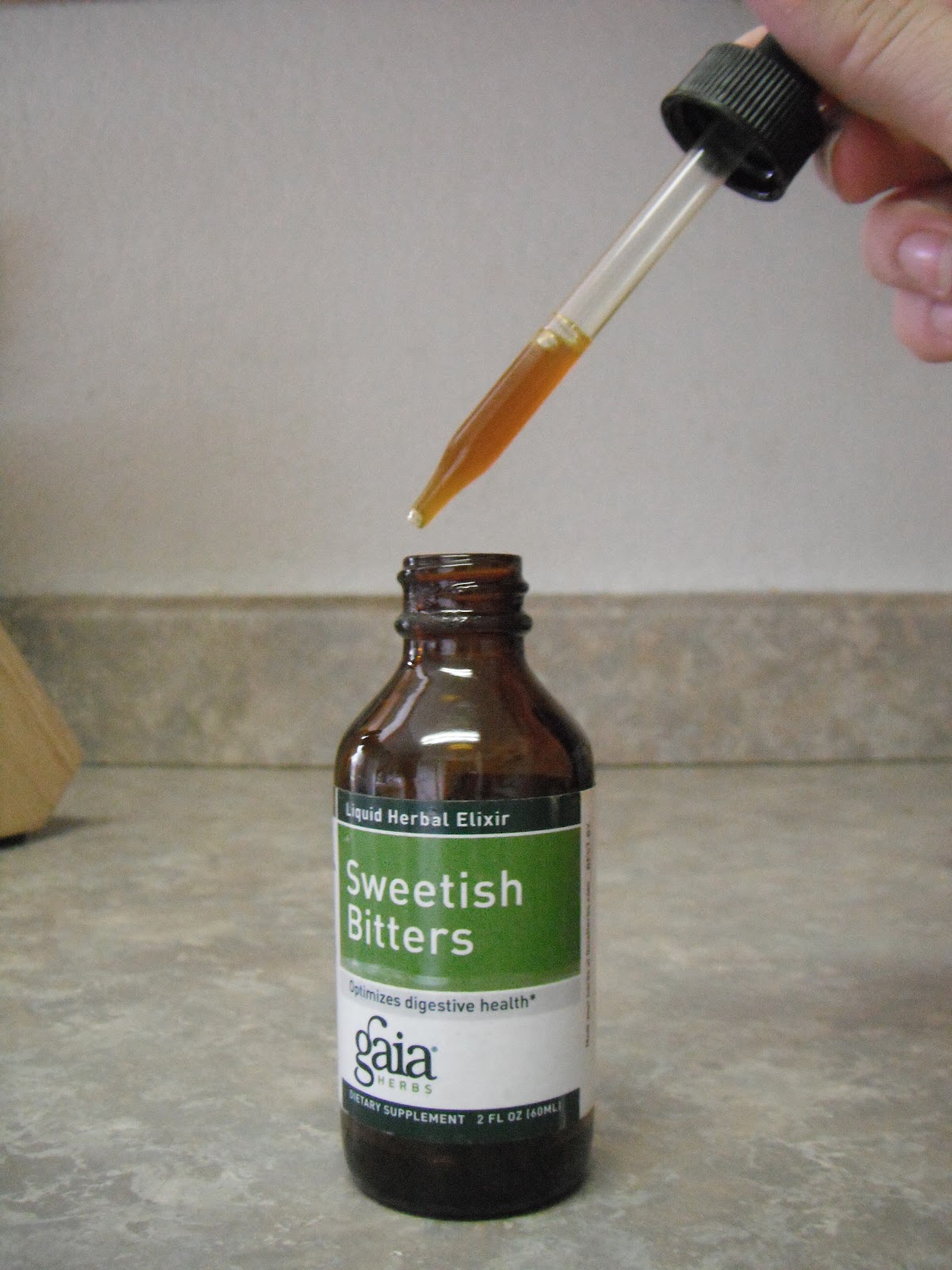
      Less is more when it comes to the use of bitters. Only 1 ml of tincture should be taken 15 minutes before each meal. You can purchase a  bitters tincture at most health food stores or you can make your own tincture blend by including herbs such as artichoke leaf, milk thistle, dandelion root, turmeric, angelica, ginger and gentian to name a few. I will warn you that the taste is not very enjoyable but the health benefits far outweigh the nasty taste you have to experience. So get some bitters so you can feel better.

Wednesday, May 23, 2012

Daily Herb-o-Scope - In Love with Lemon Water


      I must say that in the morning I find it very uplifting and invigorating to drink a glass of warm water with half of a lemon squeezed into it. Not only does it wake up my taste buds with its zesty refreshing flavor but it also offers some great health benefits. Lemon water helps us to detoxify by stimulating the liver and aiding in digestion and elimination.


      It also helps to alkalize the body. Our internal environment prefers a neutral to a slightly alkaline pH; however, the typical American diet consists of highly acidic foods including grains, meats and sugars without enough alkaline foods, fruits and veggies, to counteract all the acid. In order for the body to balance out these highly acid forming foods our muscles break down and we release Calcium and Magnesium from our bones. Not only does this result in muscle and bone loss but also a whole other slew of health issues. I know that it is completely counterintuitive to think that lemons, a clearly acidic food outside of the body, can create a healthy alkalizing effect inside of the body. But it is lemon juice’s high Potassium content that's responsible for the alkalinization. So jump start you day and your system by enjoying some warm lemon water in the morning.  

Tuesday, May 22, 2012

Daily Herb-o-scope - Keep your heart healthy with Hawthorn berries

Hawthorn (Crataegus spp.) is a great cardiac restorative that can nourish and restore the heart. This plant has the innate ability to stimulate or depress the hearts activity as needed. Take it as a tasty tea or as a tincture but don't forget about the delicious jams and jellies that these berries can make. Although Hawthorn is safe to be taken along with heart medication, be sure to consult your physician so that you can monitor you blood pressure and heart function. You may find that with continued use of hawthorn berries you may need less medication.